How CFX is Clearing Minor Crashes in Under 30 Minutes in Florida

Minor vehicle crashes pose significant safety risks on expressways in the U.S. and around the world. Even when injuries are absent, a stopped vehicle on the shoulder triggers a chain reaction of distracted driving, sudden braking, and split-second lane changes.
As April marks Distracted Driving Awareness Month, these risks take on added urgency. Distraction remains a key factor in many secondary crashes, where even a moment of inattention can quickly escalate an already dangerous situation.
These risks are backed by data. A June 2023 Federal Highway Administration (FHWA) study*, which analyzed 5.46 million crashes across 10 states, found that 83% of secondary crashes occur on facilities where high traffic volumes can amplify risk and where even minor disruptions can quickly ripple through surrounding traffic. Most alarming is the speed at which these situations escalate: half of all secondary crashes happen within just 20 minutes of the initial incident during peak hours.
For tolling agencies and law enforcement, the data points to a singular conclusion: Faster clearance is a critical safety strategy.
Addressing a challenge
With such a clear link between secondary crashes and initial incidents, the Central Florida Expressway Authority (CFX) sought to find a solution that would help clear its roadways faster. With more than 3.5 million residents and roughly 75 million annual visitors to Central Florida, finding the right solution would have far-reaching impacts.
The Solution: Bringing the Crash to the Trooper
To address this challenge, CFX and the Florida Highway Patrol (FHP) began to explore ways to reduce response times on CFX’s 125-mile system of tolled expressways without adding FHP personnel. Their solution: create a faster connection between drivers and a trooper.
Launched in November 2024, the Desk Trooper pilot uses secure, cloud-based technology to allow troopers to remotely investigate qualifying minor crashes. These are strictly defined as incidents with no injuries, no disabling damage, no commercial vehicles, and no suspected criminal activity.
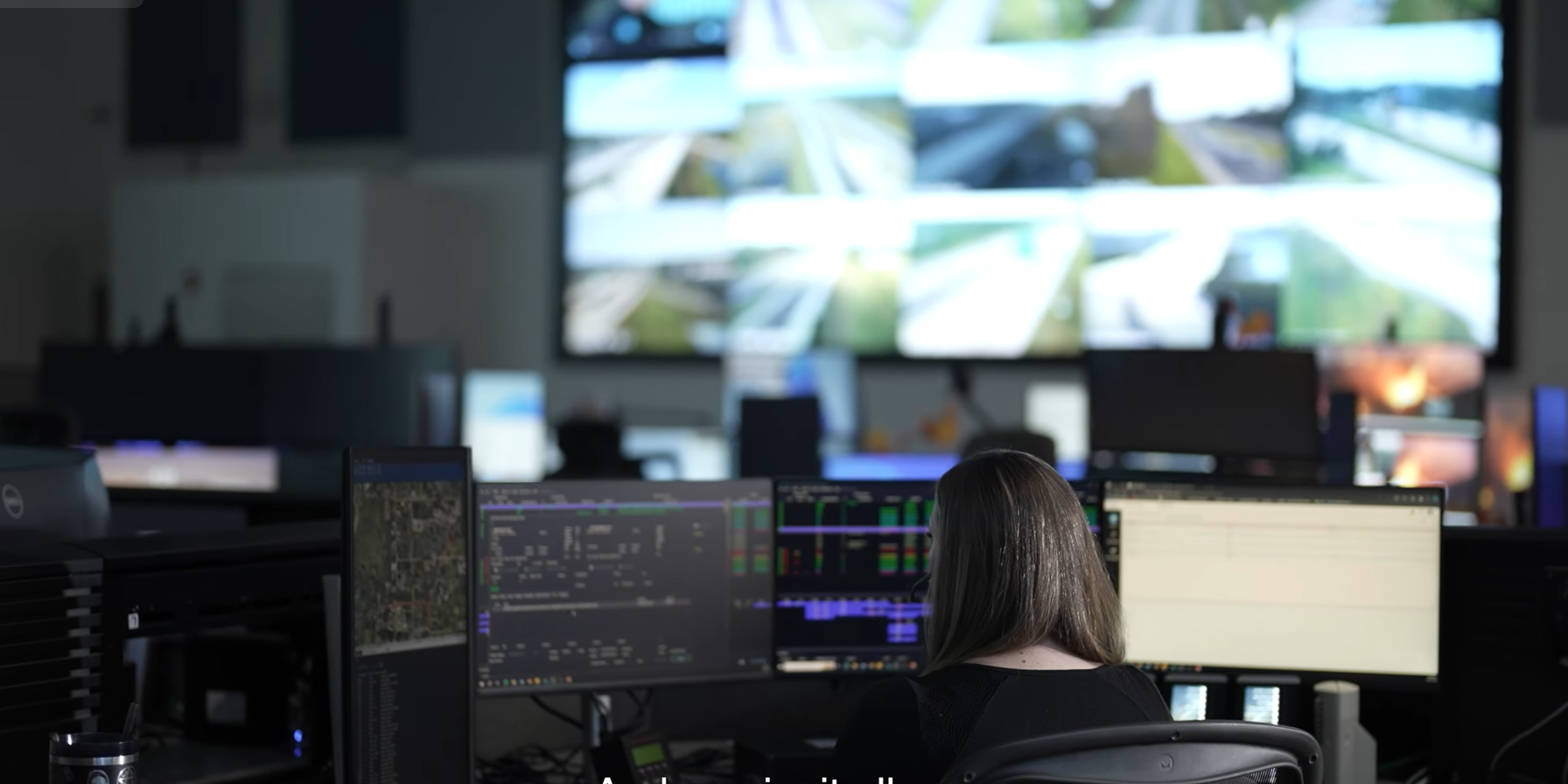
The process is designed for simplicity and speed and leverages a tool almost every driver already has: a smartphone. When a motorist calls *FHP (*347), a dispatcher confirms eligibility. If the crash qualifies, a "Desk Trooper" (often an officer on light duty) sends a secure, temporary link to the driver’s smartphone. Once the driver shares their smartphone’s location and camera via the provided link, the trooper utilizes the phone’s camera to document the scene, interview drivers, collect information, and complete reports – eliminating the need to dispatch a patrol unit to the scene.
Impact: Safety Measured in Minutes
The results have been significant. In its first year, Desk Trooper achieved an average clearance time of just 24 minutes across more than 1,000 crashes statewide. Since July 2025, Desk Troopers resolved more than 30% of qualifying crashes on CFX’s system.
The program earned the Florida TaxWatch 2025 Government Productivity Award for increasing productivity and promoting innovation in state government.
A Model for Collaboration
As tolling agencies worldwide grapple with rising traffic volumes, the Desk Trooper program provides a useful model for strengthening roadway safety through collaboration. For agencies interested in exploring a similar program, CFX and FHP have identified four key "discussion starters":
- Where to start? Success begins with strong agency partnerships after identifying stakeholders with aligned interest. CFX and FHP have a strong history of collaboration.
- Who handles the remote work? FHP utilizes troopers who are on light duty, for example, those with medical reasons to stay in the office.
- How to protect privacy? This program only grants camera and location access during each active session and uses secure cloud-based technology to maintain privacy.
- How to drive public adoption? Public outreach must emphasize the benefits: faster clearance, secure technology, and getting drivers back on the road quicker.
Outlook
The Desk Trooper program aligns with the U.S. DOT’s Safe System approach by reducing roadside exposure minutes – a key factor in preventing severe injuries and fatalities. CFX and FHP will continue refining the pilot through October 2026, tracking clearance times, secondary-crash trends, and cost savings. Desk Trooper stands as a model that can be replicated by other toll agencies and law-enforcement agencies looking to collaborate to improve operational efficiency for safer roadway operations.
Curious how real-world pilots like the Desk Trooper program are advancing safety, revenue protection and digital roadway operations? Join IBTTA at May’s Technology Summit in Orlando for Future of Tolling Technology: Pilot Projects That Pave the Future. To learn more about the program in the meantime, visit the Desk Trooper Program page.
About CFX: CFX is an independent state agency that operates 125 miles of centerline expressways heavily used by 3.5 million residents and more than 80 million annual visitors in one of the fastest-growing regions in the U.S.
Secondary Crash Research, A Multistate Analysis, June 2023, U.S. Department of Transportation Federal Highway Administration
Photo credit: CFX Desk Trooper Program