Enhancing Work Zone Safety: Innovations and Leadership

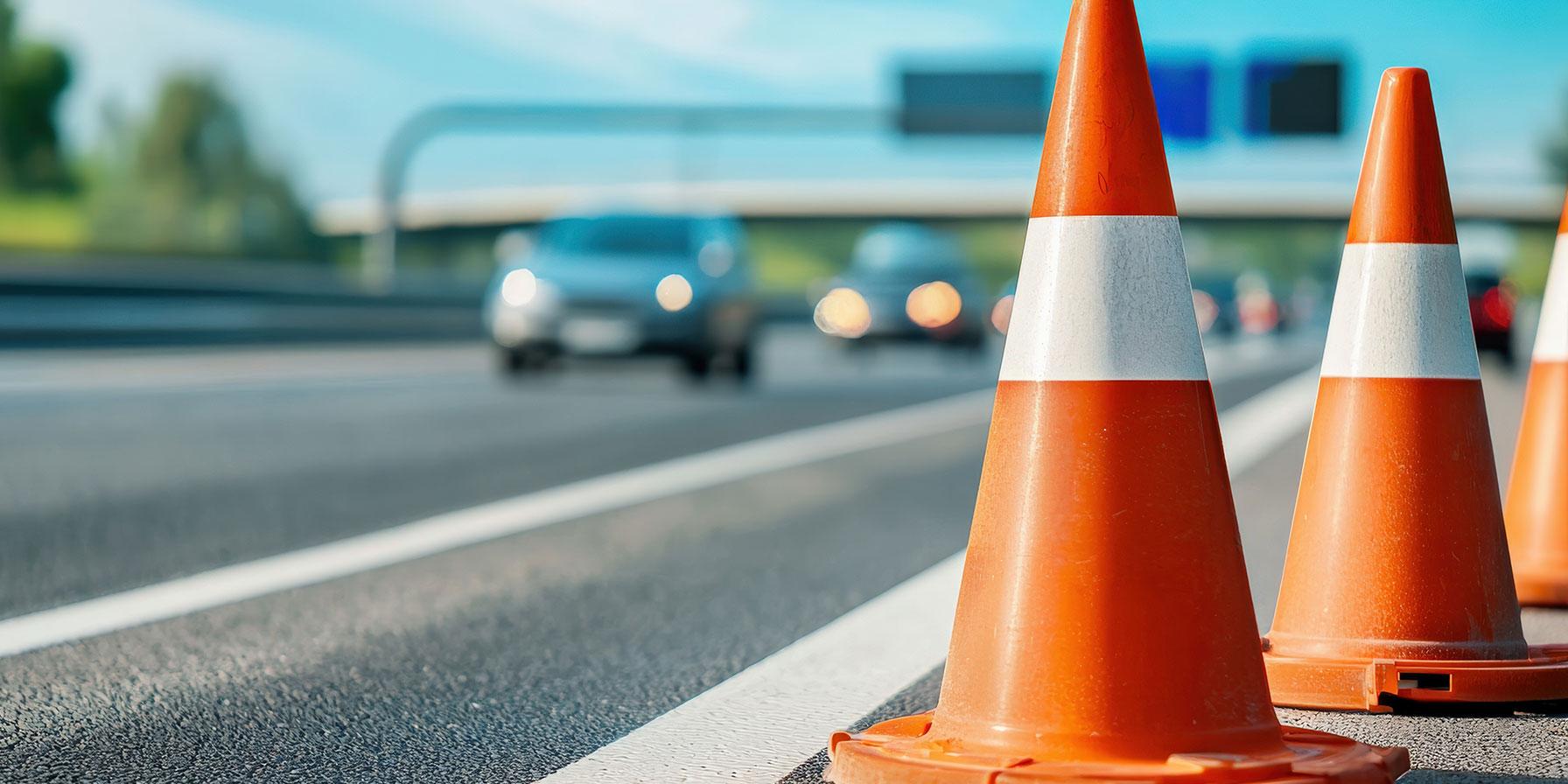
Work zones are essential to maintaining and improving our transportation infrastructure—but they also present unique risks to workers and drivers alike. According to the Federal Highway Administration, more than 800 people were killed in work zone crashes in 2022. These sobering numbers highlight the urgent need for ongoing improvements in work zone safety through innovation, leadership, and awareness.
Recent Advancements in Work Zone Safety Technology
Work zone safety has seen significant advancements in recent years. One notable innovation widely deployed by TxDOT on interstate projects is the End-of-Queue Detection Warning System. This system uses four sensors spaced at intervals to detect slow-moving or stopped traffic. It then communicates with a message board to alert drivers, providing timely warnings and enhancing safety.
New barrier alarms have also been introduced to warn workers when errant vehicles enter a work zone—offering an added layer of protection for those on-site.
Automated systems, such as cloud-based management tools and speed enforcement programs, are playing an increasingly vital role in improving work zone safety. For example, Pennsylvania’s automated speed enforcement program has reduced speeding by 38% and work zone crashes by up to 50%. These centralized systems streamline the coordination and scheduling of lane closure requests. By using cloud-based platforms, DOTs can manage approvals, communications, reporting, and audits more efficiently—saving time and reducing risk.
The Role of Leadership in Fostering a Culture of Safety
Leadership plays a critical role in promoting a strong safety culture in work zones. As a leader, it’s essential to be a vocal advocate for safety and to model the behaviors you expect from your team. I always remind my team never to become complacent. Even with barriers in place, it’s vital to stay alert—objects or vehicles can still breach those barriers.
Regularly identifying and discussing potential hazards helps maintain situational awareness and reinforces a commitment to safety on the ground.
Common Hazards in Work Zones and Mitigation Strategies
Distracted driving remains the most common and dangerous hazard workers face in work zones. With the widespread use of cell phones, many drivers fail to see warning signs or respond in time—leading to collisions with barriers, vehicles, or personnel.
Mitigating these risks requires proactive measures: conducting regular safety discussions, using speed trailers to slow traffic, and ensuring signage is clear, visible, and easy to understand.
One useful strategy is to assess a work zone from a driver’s perspective. When driving through a work zone with someone unfamiliar, I ask them what they notice. Their observations often reveal areas for improvement—allowing us to make adjustments that benefit both workers and road users.
Educating Workers and the Public on Work Zone Safety Protocols
Continuous education and communication are essential to reinforce work zone safety protocols. Building awareness helps ensure that both workers and the public understand and follow safety measures, creating safer conditions for everyone.
WORK ZONE SAFETY TIPS
For Road Users:
- Slow Down – Reduce your speed when approaching and driving through work zones.
- Stay Focused – Avoid distractions.
- Follow Instructions – Obey signs and flaggers.
- Be Patient – Understand that delays are temporary.
- Plan Ahead – Check for traffic updates and alternate routes.
For Workers:
- Stay Alert – Watch for moving equipment and vehicles.
- Use Proper Signage – Make sure all signs are clear and visible.
- Wear Appropriate PPE – Hard hats, vests, eye protection, and gloves.
- Communicate Effectively – Use hand signals, radios, and other tools.
- Follow Safety Protocols – Adhere to all established guidelines.
Enhancing work zone safety is a multifaceted endeavor requiring continuous innovation, strong leadership, and proactive education. By embracing new technologies, fostering a culture of safety, and engaging both workers and the public, we can reduce risks and save lives. Together, we can build a safer future for everyone who works in and travels through these critical areas.